Introduction
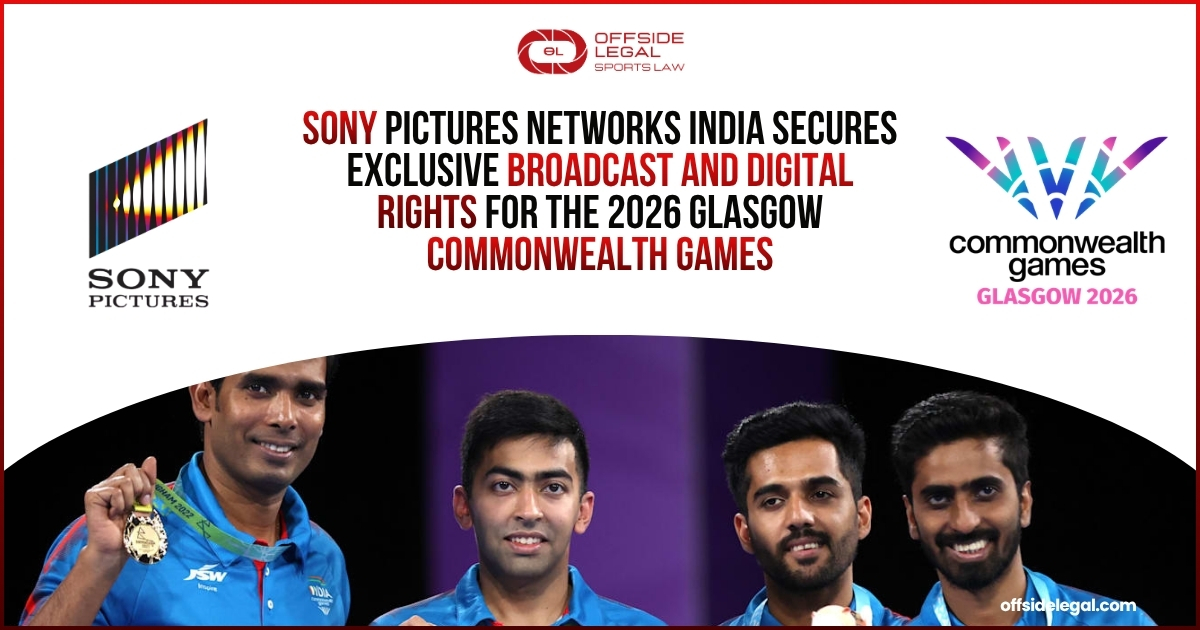
Sony Pictures Networks India has locked in the Commonwealth Games 2026 broadcast rights, giving the network exclusive television and digital control over India’s coverage of the Glasgow edition of the Games. The deal, which spans both linear broadcast and streaming on Sony LIV, positions the network as the sole gateway for Indian audiences to follow their athletes across badminton, table tennis, wrestling, athletics, and the other disciplines on the 2026 programme. For a media rights market that has grown increasingly crowded and competitive, this acquisition of the Commonwealth Games 2026 broadcast rights is a significant statement of intent from Sony.
Why the Commonwealth Games 2026 Broadcast Rights Matter
India has historically delivered strong medal counts at the Commonwealth Games, particularly in shooting, wrestling, badminton, and table tennis — disciplines where stars like Sharath Kamal, Lakshya Sen, and the men’s table tennis contingent have built loyal domestic followings. Securing the Commonwealth Games 2026 broadcast rights therefore isn’t just a programming decision; it’s a bet on sustained viewer engagement built around athletes who already command national attention. Sony’s existing sports portfolio, which includes cricket and other marquee properties, gives it the infrastructure and audience base to maximise the reach of this acquisition.
From a legal and commercial standpoint, broadcast rights deals of this scale typically involve layered agreements: a grant from the rights-holder (in this case, likely negotiated through Commonwealth Games Federation channels or its appointed media partner), sub-licensing terms for digital simulcast, territorial exclusivity clauses restricting other Indian broadcasters from parallel coverage, and often minimum guarantee structures tied to advertising and subscription revenue. The Commonwealth Games 2026 broadcast rights agreement would also need to address content clipping rights for digital and social media, given how much sports consumption today happens through short-form highlights rather than linear viewing.
Also Read: IShowSpeed Incident Triggers FIFA Racism Investigation
The Broader Sports Broadcasting Landscape
This deal arrives at a moment when sports broadcasting rights in India are being renegotiated and re-priced across nearly every major property. Cricket remains the anchor of the Indian sports media economy, but the last few years have seen broadcasters diversify aggressively into football, kabaddi, and now multi-sport events like the Commonwealth Games and Asian Games. The value of the Commonwealth Games 2026 broadcast rights reflects this diversification strategy: multi-sport events offer broadcasters a way to capture audiences beyond cricket’s core demographic, while also fulfilling a nationalistic viewing appetite that peaks during major international competitions.
For Offside Legal readers tracking the intersection of sport and commerce, this transaction is a useful case study in how broadcast rights deals are structured and what legal considerations typically underpin them:
- Exclusivity and anti-piracy enforcement: Once Sony holds the Commonwealth Games 2026 broadcast rights, it will need robust anti-piracy mechanisms, including dynamic blocking orders from Indian courts, to protect its exclusivity from unauthorised streaming during the live event window.
- Territorial licensing: The rights are typically carved out on a territory basis, meaning Sony’s rights extend only to India, while other broadcasters hold rights in other Commonwealth nations.
- Digital and OTT integration: With Sony LIV as the digital arm, the deal likely bundles catch-up rights, highlights packages, and possibly regional-language feeds, all of which require separate contractual carve-outs within the master agreement.
- Sponsorship and advertising inventory: Broadcast rights deals of this nature usually come bundled with advertising inventory rights, allowing the broadcaster to monetise the coverage independently of any separate sponsorship arrangements the Commonwealth Games Federation may have in place.
What This Means for Athletes and Federations
A broadcaster securing the Commonwealth Games 2026 broadcast rights has ripple effects beyond the boardroom. Increased television and digital visibility often translates into greater commercial opportunities for athletes through endorsements, and it can strengthen the negotiating hand of national sports federations when seeking sponsorship or government support. Athletes like Sharath Kamal, who has been a consistent medal contender at past Commonwealth Games, stand to benefit from expanded promotional coverage in the lead-up to Glasgow 2026, as broadcasters typically invest in athlete profiling content to build audience interest ahead of the Games.
At the same time, this heightened visibility raises familiar sports law questions around personality rights, image licensing, and the boundaries between a broadcaster’s promotional use of an athlete’s likeness and the athlete’s own commercial rights. As coverage intensifies, disputes over unauthorised use of player images in promotional material — a recurring theme in Indian sports law — may well surface again.
Also watch: Webinar on What is Doping in Sports Ft. Mr. Parth Goswami
Looking Ahead to Glasgow 2026
With the Commonwealth Games 2026 broadcast rights now secured, Sony Pictures Networks India will likely begin rolling out promotional campaigns, athlete-focused content, and pre-event programming in the months leading up to the Glasgow Games. For Indian sports fans, this means comprehensive coverage across television and digital platforms, ensuring no discipline or medal moment goes unseen. For the broader sports business ecosystem, it reaffirms that multi-sport events remain a valuable, contestable asset class in India’s media rights market — one that broadcasters are willing to invest in strategically even outside the dominant cricket calendar.
As Glasgow 2026 approaches, it will be worth watching how Sony structures its coverage, how effectively it monetises the Commonwealth Games 2026 broadcast rights across its television and OTT platforms, and whether this acquisition prompts rival broadcasters to pursue similar multi-sport rights packages in future cycles.
Also watch: Competition Law in Sports ft. Prof. Lovely Dasgupta